

In today’s fast-paced world, many people find themselves standing in front of a full closet and still feeling like they have nothing to wear. Clothes pile up over time, trends change quickly, and shopping becomes a habit rather than a necessity. This is where a minimalist wardrobe can make a big difference.
- What Is a Minimalist Wardrobe?
- Benefits of a Minimalist Wardrobe
- Step 1: Clean Out Your Closet
- Step 2: Define Your Personal Style
- Step 3: Choose a Simple Color Palette
- Step 4: Focus on Essential Pieces
- Step 5: Invest in Quality Over Quantity
- Step 6: Create Outfit Combinations
- Step 7: Shop with a Purpose
- Step 8: Follow the One-In, One-Out Rule
- Step 9: Organize Your Wardrobe
- Step 10: Review Regularly
- Common Mistakes to Avoid
- Getting Rid of Too Much Too Quickly
- Copying Someone Else’s Wardrobe
- Ignoring Comfort
- Buying New Clothes Immediately
- Chasing Trends
- Final Thoughts
- Frequently Asked Questions (FAQs)
A minimalist wardrobe is not about wearing the same outfit every day or getting rid of everything you own. Instead, it is about keeping clothes that you truly love, wear often, and can easily mix and match. The goal is to simplify your wardrobe while improving your style and reducing stress.
In this guide, you will learn how to build a minimalist wardrobe step by step and enjoy the benefits of owning less while dressing better.
What Is a Minimalist Wardrobe?
A minimalist wardrobe is a collection of essential clothing items that suit your lifestyle, personal style, and daily needs. Instead of having hundreds of pieces that rarely get worn, you focus on quality, versatility, and practicality.
Every item in a minimalist wardrobe should have a purpose. The clothes should work well together, making it easy to create different outfits without needing a large number of pieces.
The idea is simple: fewer clothes, more outfit options, and less decision-making.
Benefits of a Minimalist Wardrobe
Before starting your minimalist wardrobe journey, it helps to understand why so many people choose this lifestyle.
Saves Time
Choosing what to wear becomes much easier when your closet contains only items you enjoy wearing. You spend less time getting dressed each day.
Saves Money
A minimalist wardrobe encourages thoughtful shopping. Instead of buying clothes on impulse, you invest in pieces that last longer and offer more value.
Reduces Stress
A cluttered closet can feel overwhelming. Having fewer, well-chosen clothes creates a sense of order and calm.
Improves Personal Style
When you focus on clothes that fit well and reflect your personality, your style becomes more consistent and confident.
Supports Sustainability
Buying fewer clothes helps reduce waste and promotes more responsible fashion choices.
Step 1: Clean Out Your Closet
The first step is to review everything you currently own.
Take all your clothes out of your closet and place them in one area. This allows you to see exactly how much you have.
As you go through each item, ask yourself these questions:
- Have I worn this in the last year?
- Does it fit properly?
- Do I feel comfortable wearing it?
- Does it match my current lifestyle?
- Would I buy it again today?
If the answer is “no” to most of these questions, consider donating, selling, or recycling the item.
Be honest with yourself. Keeping clothes out of guilt or hope rarely works.
Step 2: Define Your Personal Style
A minimalist wardrobe should reflect who you are.
Think about the outfits you wear most often and feel best in. You can also save photos of styles you admire for inspiration.
Ask yourself:
- Do I prefer casual, professional, sporty, or classic clothing?
- Which colors do I wear most often?
- What fabrics feel comfortable?
- What clothes make me feel confident?
Understanding your style helps prevent unnecessary purchases in the future.
Remember, minimalism does not mean boring. Your wardrobe should still express your personality.
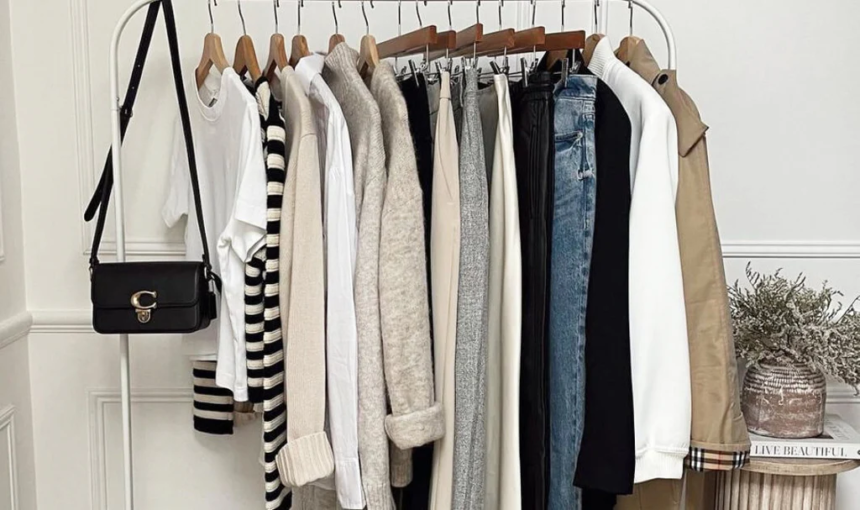
Step 3: Choose a Simple Color Palette
One of the secrets to a successful minimalist wardrobe is choosing colors that work well together.
Start with neutral colors such as:
- Black
- White
- Gray
- Navy
- Beige
- Brown
Then add a few accent colors that you enjoy wearing.
A simple color palette allows you to mix and match clothing easily. This creates more outfit combinations with fewer pieces.
For example, a white shirt can pair with black pants, blue jeans, or a beige skirt. This versatility makes each item more useful.
Step 4: Focus on Essential Pieces
The exact number of items will vary depending on your lifestyle, climate, and personal preferences. However, most minimalist wardrobes include basic essentials.
Tops
- Plain T-shirts
- Button-down shirts
- Sweaters
- Casual blouses
Bottoms
- Jeans
- Trousers
- Shorts
- Skirts
Outerwear
- Light jacket
- Coat
- Blazer
Shoes
- Casual sneakers
- Comfortable everyday shoes
- Formal shoes
Special Occasion Clothing
Keep a few pieces for weddings, parties, or professional events if needed.
Choose items that can be worn in multiple ways rather than pieces designed for only one occasion.
Step 5: Invest in Quality Over Quantity
Minimalism is not about buying the cheapest clothes possible. It is about purchasing items that last.
When shopping, pay attention to:
- Fabric quality
- Stitching
- Comfort
- Fit
- Durability
A high-quality shirt may cost more initially but can last for years if properly cared for.
Buying fewer, better items often saves money in the long run.
Step 6: Create Outfit Combinations
One advantage of a minimalist wardrobe is flexibility.
After organizing your clothes, experiment with different outfit combinations.
Try pairing:
- A white shirt with jeans
- A blazer with trousers
- A sweater with a skirt
- A jacket over a simple dress
You may be surprised by how many outfits you can create using a small collection of clothes.
The goal is to make sure every item works with several others.
Step 7: Shop with a Purpose
Once your minimalist wardrobe is established, avoid shopping out of boredom or habit.
Before buying anything, ask yourself:
- Do I truly need this?
- Does it match my existing wardrobe?
- Can I wear it in multiple ways?
- Will I still like it next year?
Following these questions helps prevent clutter from returning.
Many minimalist shoppers use a shopping list and only purchase items they genuinely need.
Step 8: Follow the One-In, One-Out Rule
A helpful habit is the one-in, one-out rule.
Whenever you buy a new item, remove an old one.
This keeps your wardrobe balanced and prevents unnecessary growth.
For example, if you buy a new sweater, donate or sell an older sweater that you no longer wear.
This simple rule helps maintain a clutter-free closet over time.
Step 9: Organize Your Wardrobe
Organization makes it easier to enjoy your minimalist wardrobe.
Arrange clothes by category, such as:
- Shirts
- Pants
- Dresses
- Jackets
You can also organize by color for a cleaner appearance.
Keep frequently worn items easily accessible and store seasonal clothing separately when not in use.
A tidy closet allows you to see all your options clearly.
Step 10: Review Regularly
Building a minimalist wardrobe is not a one-time project.
Your lifestyle, job, climate, and preferences may change over time.
Every few months, review your wardrobe and ask:
- What am I wearing most often?
- What items are no longer useful?
- Are there any gaps I need to fill?
Regular reviews help ensure your wardrobe continues to support your needs.
Common Mistakes to Avoid
Many beginners make a few common mistakes when creating a minimalist wardrobe.
Getting Rid of Too Much Too Quickly
Start slowly. You do not need to remove everything at once.
Copying Someone Else’s Wardrobe
Your wardrobe should fit your lifestyle, not someone else’s.
Ignoring Comfort
Even stylish clothes are not useful if they are uncomfortable.
Buying New Clothes Immediately
Try working with what you already own before shopping for replacements.
Chasing Trends
Focus on timeless pieces rather than short-lived fashion trends.
Final Thoughts
Building a minimalist wardrobe is about creating a collection of clothes that works for you. It helps simplify daily decisions, reduce clutter, save money, and improve personal style.
The process does not require perfection. Start by removing items you no longer wear, identifying your personal style, and focusing on versatile, high-quality essentials. Over time, you will create a wardrobe that feels organized, practical, and enjoyable to use.
Remember, the goal is not to own as little as possible. The goal is to own exactly what you need and love.
Frequently Asked Questions (FAQs)
1. How many clothes should a minimalist wardrobe have?
There is no fixed number. Most people keep between 30 and 50 essential items, but the right amount depends on your lifestyle, climate, and personal preferences.
2. Can I still follow fashion trends with a minimalist wardrobe?
Yes. You can add a few trendy pieces if you enjoy them, but your wardrobe should mainly consist of timeless and versatile items.
3. Is a minimalist wardrobe suitable for all ages?
Absolutely. People of all ages can benefit from a simpler, more organized wardrobe.
4. Do minimalist wardrobes save money?
Yes. Since you buy fewer clothes and focus on quality, you often spend less money over time.
5. How long does it take to build a minimalist wardrobe?
It varies from person to person. Some people complete the process in a weekend, while others gradually build their wardrobe over several months.